

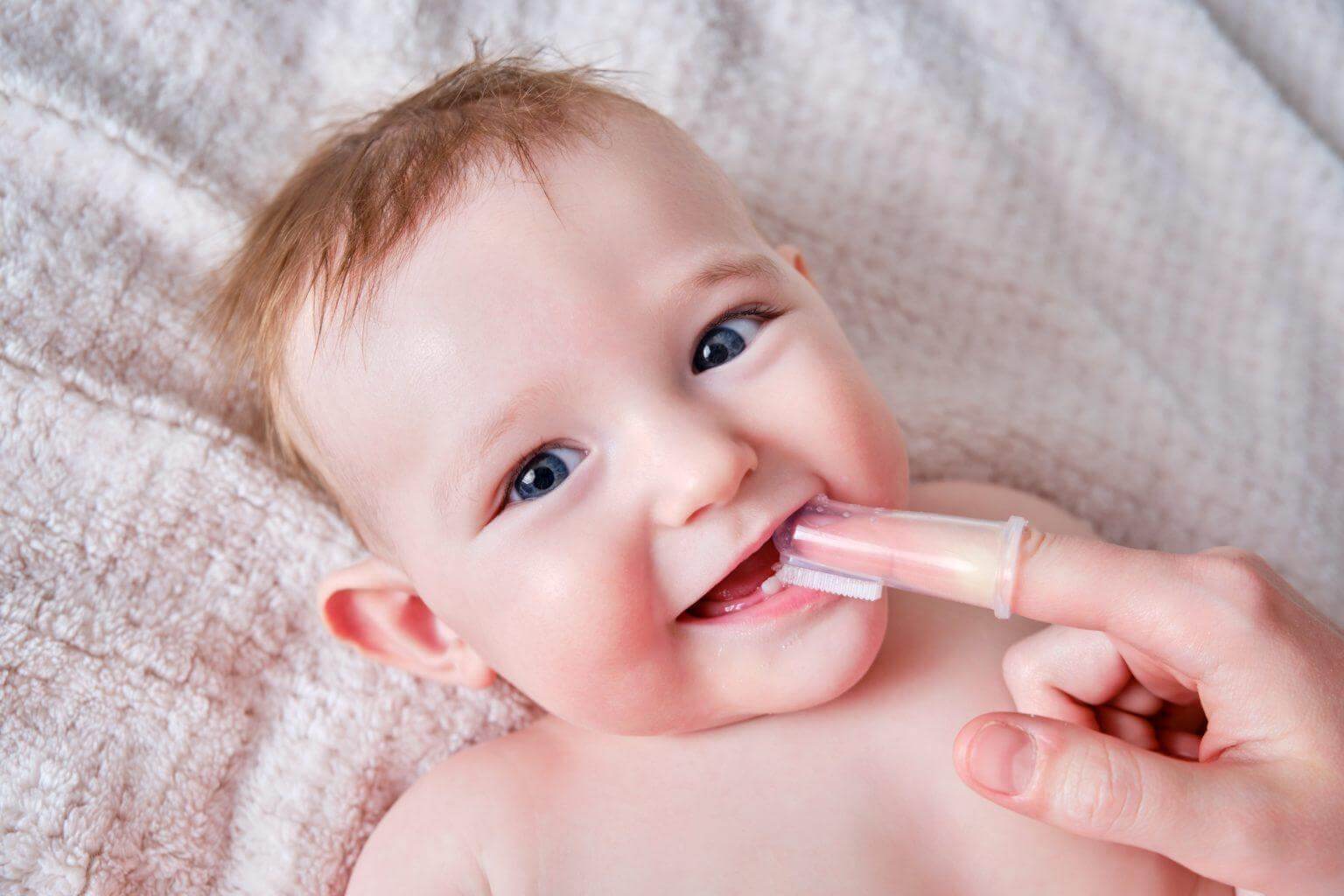
You might be staring at your baby’s tiny gums and wondering if this is really something you need to do yet. After all, there are no teeth to brush, no snacks stuck in molars, and no clear sign that oral care matters this early. At the same time, you may have heard that caring for your baby’s mouth starts before the first tooth, which can leave you feeling unsure, or even a little guilty for not starting sooner. The good news is simple. Cleaning a baby’s mouth before teeth appear is a gentle habit that helps lower bacteria, supports healthy gums, and makes later brushing feel more normal for both of you. For parents seeking compassionate pediatric dental care in Modesto, this early step can also be a helpful foundation for lifelong oral health.
That early stage can be confusing because babies already come with a long list of things to track, from feeding and sleep to diaper changes and doctor visits. Because of that, mouth care can seem small enough to put off. But small routines often shape what comes next, and this is one of them. If you begin now, you are not chasing perfection. You are building comfort, consistency, and a healthy start.
Why does mouth care matter before your baby even has teeth?
It is easy to assume oral hygiene begins with the first tooth. But even before teeth appear, milk and formula can sit on the gums and tongue, and bacteria can still grow in the mouth. That does not mean you need an intense routine. It means a soft, simple cleaning habit can make a real difference.
According to the NIDCR guidance for your baby’s mouth, wiping your baby’s gums with a clean, damp cloth helps keep the mouth clean and healthy. That step also helps your baby get used to daily oral care, which often makes the shift to brushing easier once teeth come in.
So, where does that leave you if your baby resists, squirms, or cries? In a very normal place. Babies are not grading your technique. They are reacting to a new sensation. A calm voice, clean hands, and a gentle touch usually matter more than doing it for a long time.
What can happen if you skip cleaning your baby’s gums?
If you do nothing for a while, it does not mean you have failed your child. Still, waiting too long can make the routine harder to start later. A baby who never had their gums touched may be more sensitive when brushing begins. Some parents also miss early signs of irritation, white patches, or feeding related buildup because they are not looking in the mouth regularly.
There is also the bigger picture. Early oral care is tied to lifelong habits. The CDC’s oral health tips for children stress that healthy routines should begin early, since baby teeth and oral development are connected to eating, speech, and long term dental health. In other words, this is not just about wiping gums. It is about helping your child grow up seeing oral care as a normal part of the day.
You may also wonder about risk. Can babies really get tooth decay that early? Once teeth erupt, yes, they can. And the habits before that point help set the stage. That is why many families ask a pediatric dentist about infant mouth care even before the first birthday.
How do you clean a baby’s mouth safely and gently?
The process is usually easier than parents expect. Wash your hands, wrap a clean damp gauze pad or soft washcloth around your finger, and gently wipe your baby’s gums, tongue, and inside cheeks. Many parents do this after feedings or at least once a day, often before bedtime. You do not need toothpaste before teeth appear unless your child’s dental or medical provider gives different instructions.
The MedlinePlus instructions on cleaning an infant’s teeth and gums explain that gentle wiping is enough in the pre tooth stage. Once the first tooth arrives, the routine changes to brushing with a small, soft toothbrush and an age appropriate amount of fluoride toothpaste.
If your baby has white patches that do not wipe away, seems uncomfortable during feeding, or has bleeding gums, it is worth checking in with a pediatric provider or a dental office. Sometimes what looks like milk residue is actually thrush or irritation that needs attention.
Which early mouth care habits help most?
Parents often ask whether a quick wipe is really enough. In most cases, yes. The goal is not a perfect deep clean. The goal is a safe, repeatable habit that protects the mouth and prepares your baby for the next stage. Infant oral care before teeth works best when it is simple and steady.
| Habit | Why It Helps | What To Keep In Mind |
|---|---|---|
| Wiping gums with a clean damp cloth | Removes residue and lowers bacteria buildup | Be gentle and keep the cloth clean |
| Cleaning once daily, especially before bed | Builds routine and supports healthy gums | Short and calm is better than long and stressful |
| Looking inside the mouth regularly | Helps you notice irritation, white patches, or changes early | Ask a provider if anything looks unusual |
| Starting brushing when the first tooth appears | Protects new teeth from decay early | Use a baby toothbrush and follow age guidance |
What are three smart steps you can take today?
- Pick one time each day: Tie mouth cleaning to something you already do, such as the last feeding or bedtime. That makes the habit easier to remember and easier for your baby to accept.
- Keep supplies simple: A clean soft washcloth or gauze and water are usually enough before teeth appear. You do not need a complicated setup to begin baby mouth cleaning in a safe way.
- Plan for the next milestone: As soon as the first tooth comes in, switch to a soft infant toothbrush and ask a pediatric dentist when to schedule that first dental visit. Early guidance can answer questions about fluoride, teething, and feeding habits.
How can you feel more confident about this stage?
If this all feels new, that is because it is. Most parents are learning as they go, and many are surprised to hear that oral care starts before teeth. What matters is not whether you started on day one. What matters is starting now, with a routine you can actually keep.
Read Also: Why Medicare Planning Is Important Before Retirement?
Your baby does not need perfection. Your baby needs gentle care, steady habits, and a parent who is paying attention. If you have questions about early oral health, teething, or when to begin brushing, reaching out to a pediatric dentist can give you peace of mind and a clear next step.


