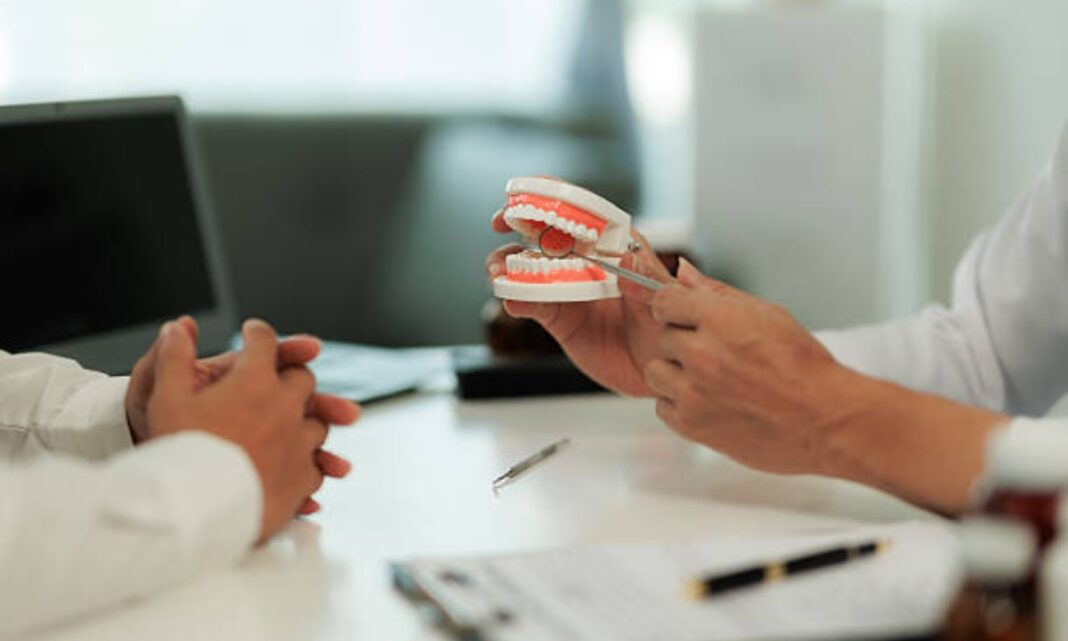

A smile transformation does not start in the chair on treatment day. It starts long before that, with simple choices you make each day. Preventive dentistry is not glamorous. It is quiet, steady protection that shapes how your teeth look, feel, and function. Every cleaning, exam, and X‑ray gives your dentist a clearer picture of small problems before they grow into painful crises.
Early care protects enamel, supports your gums, and keeps your bite stable. That foundation matters when you want whitening, veneers, or other cosmetic changes. Without it, results fade fast and new problems appear. With it, your new smile lasts longer and feels natural. A Branchburg family dentist uses preventive visits to plan safe cosmetic care, control risk, and protect you from surprise costs and emergencies. You deserve a smile change that looks good and also stays strong.
Why prevention comes before cosmetic work
You may feel eager to fix stains, chips, or crooked teeth right away. Yet your mouth tells a longer story. Cavities, gum disease, and worn enamel sit under the surface. If you cover these problems with whitening or veneers, you trap decay and infection. Pain follows. So does more time in the chair.
Preventive dentistry slows this damage. It keeps teeth strong enough to handle cosmetic treatment. It also gives your dentist honest information about your risks. That helps you avoid failed crowns, broken veneers, and repeated repairs.
The Centers for Disease Control and Prevention explains that early treatment of decay and gum disease lowers tooth loss and pain.
Key parts of preventive dentistry that shape your smile
Preventive care is more than “a quick cleaning.” It is a set of simple steps that work together.
You protect your smile when you commit to three habits:
- Everyday home care
- Regular checkups and cleanings
- Targeted preventive treatments
Everyday home care
Your daily routine is the base of every smile change. You control plaque and acid with simple tools.
- Brush with fluoride toothpaste two times a day
- Floss once a day to clean between teeth
- Limit sugary snacks and drinks between meals
- Drink water often to wash away food and acid
The National Institute of Dental and Craniofacial Research confirms that fluoride use and regular cleaning lower decay.
Checkups and cleanings
Routine visits reveal problems you cannot see in the mirror. Your dentist checks for:
- Early cavities
- Gum bleeding or pocket depth
- Worn or cracked enamel
- Old fillings or crowns that leak
- Jaw joint pain or grinding patterns
Cleanings remove hardened plaque that traps bacteria. That protects you from gum disease and bad breath. It also gives your dentist a clear view of tooth color and shape. That matters when you plan whitening or bonding. Stain from coffee looks different from decay stain. You need that difference clear before treatment.
Targeted preventive treatments
Your dentist may suggest extra steps to guard your teeth.
- Fluoride treatments to strengthen weak enamel
- Sealants on deep grooves to block decay
- Night guards to protect teeth from grinding
- Sports mouth guards to prevent chips and fractures
These tools protect teeth from damage that would later ruin cosmetic work. A simple guard can stop a cracked veneer. A sealant can save a tooth that might need a crown.
How prevention and cosmetic dentistry work together
Cosmetic treatment changes how your teeth look. Preventive care keeps them strong and stable. You need both. The steps usually follow a clear order.
- First, your dentist checks for decay, infection, and gum disease.
- Second, urgent problems get treated.
- Third, your bite and jaw are checked for grinding or clenching.
- Fourth, a cosmetic plan is built on this healthy base.
This order protects you from surprise root canals, failed implants, or loose crowns. It also helps set real expectations for your smile change.
Comparing preventive care and “fix it later” care
You may wonder if you can skip preventive visits and just “fix things when they hurt.” The cost to your mouth and your budget tells a clear story.
| Approach | Short term experience | Long term effect on smile | Typical cost pattern |
|---|---|---|---|
| Strong preventive care | Regular quick visits. Few emergencies. | Teeth stay present for cosmetic options. Results last longer. | Steady small costs. Lower chance of large surprise bills. |
| “Fix it later” care | Fewer visits at first. More pain when problems surface. | Higher tooth loss. Limited cosmetic choices. More repairs. | Low spending early. Sudden expensive treatment later. |
This comparison shows one hard truth. You either spend modest time and money now, or you spend more of both later with less comfort.
Preventive dentistry for every age
Every family member needs prevention. The focus changes with age, yet the goal stays the same. You protect teeth before damage grows.
- Children learn brushing habits, get sealants, and fluoride
- Teens manage braces care, sports guards, and diet choices
- Adults control gum disease, stress grinding, and old fillings
- Older adults monitor dry mouth, root decay, and dentures
Strong preventive habits in childhood support straighter, whiter teeth later. That makes orthodontic work smoother and cosmetic steps easier.
Questions to ask before a smile makeover
Before you start whitening, veneers, or implants, ask your dentist:
- Are my gums healthy enough for this treatment
- Do I have any untreated cavities or infections
- How strong is my enamel
- Do I grind or clench my teeth at night
- What preventive steps will protect this work over time
The answers guide a safer plan. They also give you the power to protect your results at home.
Taking your next step
You do not need a perfect mouth to start preventive care. You only need a clear choice. Schedule a checkup. Ask for a plain review of your current risks. Then build a simple plan that includes home care, regular visits, and protection for any new cosmetic work.
Your future smile depends less on one big treatment and more on steady care. When you treat prevention as the first step of every smile change, you protect your comfort, your budget, and your confidence each time you show your teeth.


