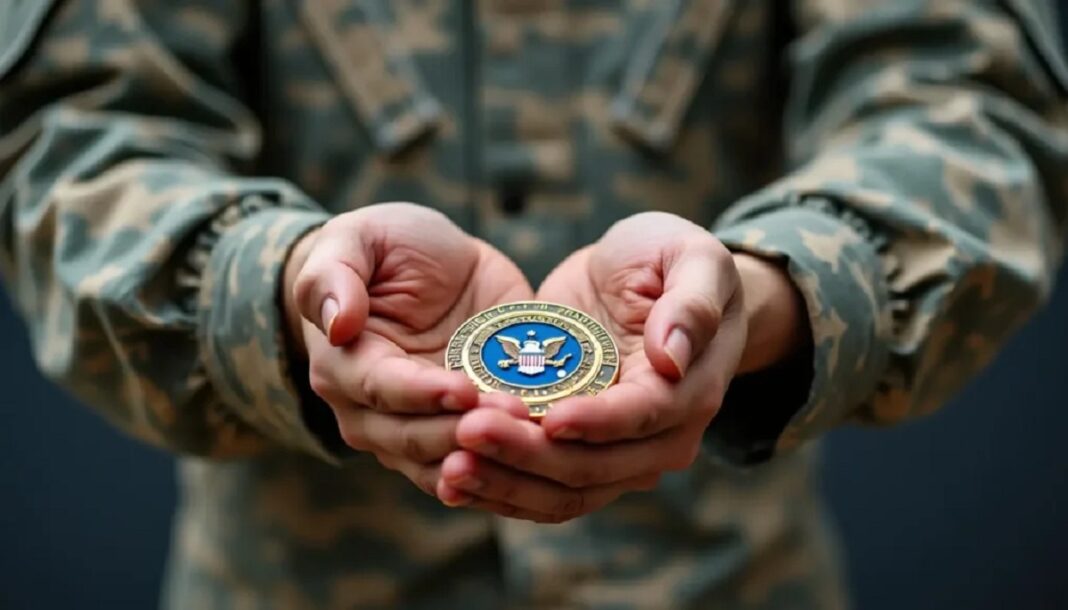

Military challenge coins have stood the test of time as cherished symbols of unity, achievement, and pride among service members. These unique medallions, often adorned with detailed emblems and striking design elements, form a core part of military culture and tradition.
As more people seek to understand the meaning behind military challenge coins, their historic resonance and evolving relevance continue to captivate both military personnel and civilians alike.
Rooted in stories of valor and brotherhood, challenge coins have earned their place as treasured keepsakes. They not only affirm a sense of identity but also serve as tokens of recognition and belonging. Their ceremonial role in everyday military life highlights the profound connections forged within units and across generations.
Origins of Challenge Coins
The beginnings of challenge coins are clouded in myth, though several compelling accounts trace them back to World War I. Among the most well-known stories is that of an American pilot who, after receiving a customized coin from his unit’s lieutenant, used it as proof of identity after escaping behind enemy lines. This incident, though partly legendary, sets the foundation for the tradition of using a physical symbol to express unity and commitment within military ranks. Over time, challenge coins became a staple within military branches worldwide. Their use extended beyond simple identification.
Receiving a coin from a superior officer or for exemplary service became a mark of honor. The legacy of these early coins laid the foundation for a beloved and widespread tradition. Besides individual acts of heroism, the use of challenge coins reflected broader values and cultural shifts within the armed forces. As military structures grew and units diversified their missions, coins evolved into a powerful tool for fostering morale and creating lasting bonds. Early coins were often simple, sometimes improvised from existing currency or basic metal blanks, but their simplicity never diminished their significance.
As time progressed, the process of creating coins became more sophisticated, eventually merging elements of art and engineering. This tradition has become so deeply embedded that today, even high-ranking leaders, such as presidents and generals, are known to carry and hand out custom coins during official visits and ceremonies, a testament to their enduring influence.
The “Coin Check” Tradition
Integral to the culture of challenge coins is the “coin check” practice. When a member produces their challenge coin in a social setting, those present are required to display their own coins promptly. Anyone unable to do so must buy a round of drinks or perform a similar light-hearted penalty. This custom not only keeps morale high but also builds mutual respect and accountability among group members. The tradition naturally fosters camaraderie throughout the military community and has been adopted by civilian groups that value close-knit bonds.
Over the years, variations of the coin check have emerged, tailored to specific settings or organizations. Some groups have added creative twists, requiring specific types of coins for certain occasions or incorporating games and riddles related to the coin’s backstory. These adaptations help keep the tradition lively and create memorable, shared experiences. Even outside the military, the coin check has fostered a sense of healthy competition and pride, with some clubs designing exclusive coins awarded only under select circumstances. These practices reflect how challenge coins extend their impact beyond military use, promoting social cohesion and playful traditions rooted in mutual respect.
Design and Symbolism
Every challenge coin tells a unique story. Designs are meticulously curated to reflect an organization’s values, mission, and achievements. Common features include unit insignias, mottos, landmarks, and special insignia known to the group. The symbolism may extend to specific materials or colors, emphasizing key characteristics or moments in the unit’s history. Collectors and recipients value these coins as representations of their service, challenges, and triumphs, all encapsulated in a single small token. In addition, design processes have become highly collaborative.
Many units involve members directly in brainstorming and creating coin concepts, resulting in deeply personal commemorations of shared accomplishments. Some coins honor major deployments or campaigns, while others feature intricate artwork that references local culture, historic battles, or core values such as integrity and sacrifice. Uniqueness is part of the appeal: a well-designed coin instantly communicates a group’s identity, spirit, and inside stories, making even small design updates or changes significant to those who carry them.
Modern Applications
The influence of challenge coins has expanded far beyond the military. Law enforcement officers, firefighters, and even sports teams have created their own coins to reinforce unity, commemorate milestones, and recognize exceptional deeds. In the corporate world, challenge coins are presented as awards or incentives to foster teamwork and loyalty. A recent example outside the military is the Washington Nationals’ pitching staff, which created its own coin to promote solidarity and focus.
Moreover, the production of non-military coins has driven significant growth in the custom coin industry. Organizations now invest in premium materials, embossed elements, and even digital features, such as QR codes embedded in the coin’s design, to enhance experiences. This blending of tradition with new technology proves the adaptability and ongoing relevance of challenge coins. Whether for recognition, celebration, or marketing, the shared act of exchanging coins continues to foster a sense of belonging and pride across many communities.
Collecting Challenge Coins
Collecting military challenge coins has grown into a cherished hobby for many. Service members and veterans display their coins with pride, each piece representing pivotal moments in their careers. For some, the appeal lies in the stories behind the coins and the friendships forged along the way. Custom coin markets have also flourished, as both official organizations and enthusiastic individuals look to create unique designs. This trend has helped preserve the tradition while introducing fresh perspectives to the world of coins.
If you’re interested in the etiquette and storied traditions behind these symbols, the Smithsonian provides a thorough historical context for collectors and enthusiasts alike. Coin collectors often invest in creative displays, such as custom cases, shadow boxes, or wall mounts, to showcase their most treasured pieces. Some coins are sought after for their age, rarity, or association with famous events and leaders, and can fetch substantial value at auctions or trade shows.
The world of coin collecting is also characterized by lively exchanges at conventions, where stories, coins, and experiences are traded between military veterans, hobbyists, and even foreign coin collectors. As these networks continue to grow, so does respect and appreciation for the artistry and significance of challenge coins, making collecting both a personal pursuit and a shared celebration of service and achievement.
Conclusion
Military challenge coins are more than simple trinkets. They embody a history of unity and achievement, transcending their origins to inspire connection across diverse groups. Whether given for valor, collected as a tribute, or exchanged to forge lasting friendships, these coins symbolize the best qualities of teamwork, honor, and shared purpose.
Each coin carries a unique story, reflecting the accomplishments, sacrifices, and traditions of the individuals or organizations it represents. They serve as meaningful reminders of dedication, resilience, and the bonds formed through shared experiences in service and leadership.
As new stories are minted into each piece, the tradition of challenge coins is set to endure for generations to come, preserving a proud legacy while continuing to inspire respect, loyalty, and a strong sense of belonging among those who receive and cherish them.


