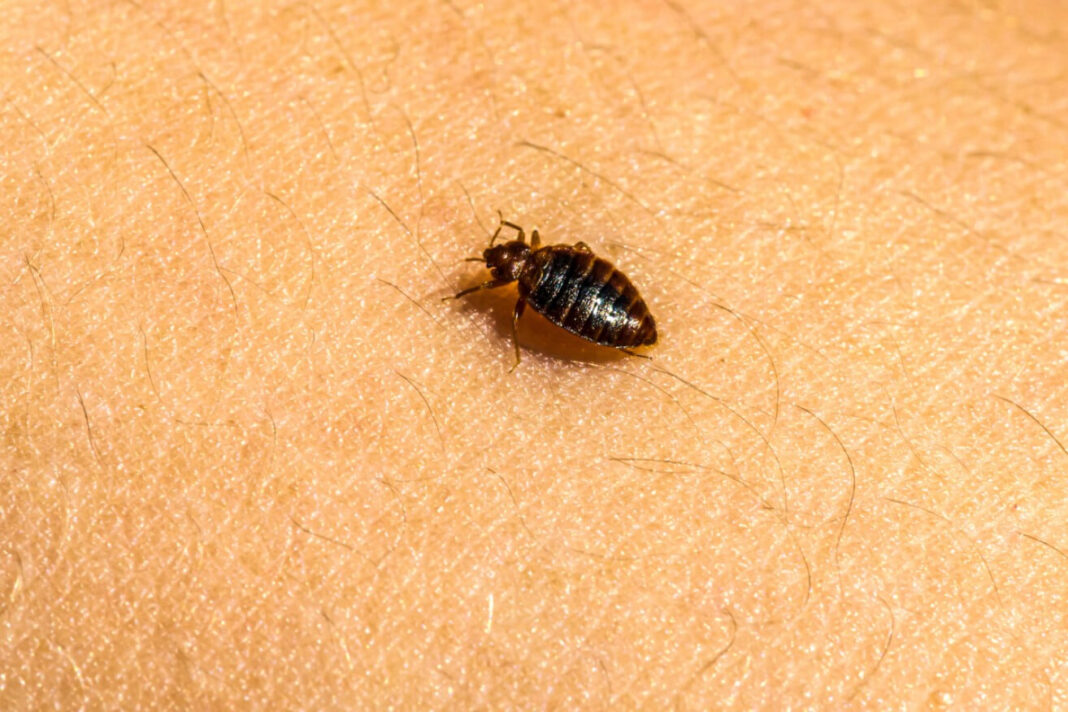

One of the biggest misconceptions about bed bugs is that they only appear in dirty homes. In reality, these insects are not attracted to dirt or food waste. They can be found in clean apartments, family homes, hotels, dormitories, and vacation rentals. They are usually brought inside accidentally through luggage, second-hand furniture, clothing, or other personal belongings.
If you’re wondering how to get rid of bed bugs, the good news is that there are several effective treatment options available. The key is to identify the infestation early, choose the right products, and combine different control methods for the best long-term results.
How to recognize a bed bug infestation?
Bed bugs are experts at staying hidden, especially during the early stages of an infestation. They spend most of the day concealed in cracks and crevices and become active mainly at night when people are asleep.
Fortunately, they usually leave behind several signs that indicate their presence.
Some of the most common indicators include:
- Itchy bites that often appear in clusters or straight lines on exposed areas of the skin.
- Small dark spots on mattresses, bedding, or bed frames caused by bed bug droppings.
- Tiny blood stains on sheets after feeding.
- Shed skins left behind as young bed bugs develop.
- Live bed bugs or eggs hidden around mattress seams, headboards, furniture joints, or upholstered furniture.
While bites are often the first sign people notice, they are not enough to confirm an infestation because reactions vary from one person to another. A careful inspection of the sleeping area usually provides more reliable evidence.
Why you should act quickly
Bed bugs reproduce surprisingly fast. Female bed bugs lay eggs in protected locations such as mattress seams, furniture joints, cracks in walls, and behind headboards. Since the eggs are well hidden and resistant to many treatments, waiting too long makes the infestation increasingly difficult to eliminate.
The sooner you begin treatment, the easier it will be to get rid of bed bugs before they spread to other rooms. Early intervention also reduces the number of follow-up treatments that may be required.
How to get rid of bed bugs effectively
No single treatment works in every situation. The most successful bed bug control programs combine several methods, each targeting a different stage of the insect’s life cycle. Depending on the severity of the infestation, you may need to use insecticides, monitoring devices, heat treatments, or a combination of these approaches.
Insecticide sprays
Sprays remain one of the most common products used to get rid of bed bugs. They are designed to kill exposed insects on contact and can be applied directly to many of the areas where bed bugs hide.
Typical treatment locations include mattress seams, bed frames, furniture joints, skirting boards, cracks, and the edges of carpets. Many professional-grade sprays also leave behind a residual deposit, allowing them to continue working after application by eliminating bed bugs that emerge from hiding later.
Although sprays can quickly reduce the number of adult insects, they are generally less effective against eggs. For this reason, a second treatment is often recommended several days later to eliminate newly hatched bed bugs.
Insecticidal dusts
Liquid insecticides cannot always reach every hiding place. Bed bugs often shelter inside wall voids, beneath skirting boards, inside furniture, or in other narrow spaces where sprays cannot easily penetrate.
Insecticidal dusts provide an excellent complementary treatment for these difficult-to-access areas. Once applied, the fine particles remain active for long periods in dry environments. As bed bugs crawl through the treated area, the dust adheres to their bodies, eventually leading to their elimination.
One of the greatest advantages of dust formulations is their long-lasting residual effect. Because they continue working for extended periods, they can help prevent surviving insects from re-establishing the infestation.
Bed bug traps and monitors
Although traps are not designed to eliminate an infestation on their own, they are valuable tools for monitoring bed bug activity.
Most traps are placed beneath the legs of beds or furniture, where they intercept bed bugs as they attempt to climb toward their host. This makes them useful both for confirming the presence of bed bugs and for tracking the effectiveness of treatments over time.
Monitoring devices can also provide early warning if bed bugs return after treatment, allowing homeowners to respond before the infestation becomes widespread again.
Heat treatments
Heat is one of the most effective non-chemical methods available to get rid of bed bugs. Unlike many insecticides, properly applied heat treatments can eliminate both adult bed bugs and their eggs.
Steam cleaners are commonly used to treat mattresses, upholstered furniture, bed frames, and other surfaces where bed bugs hide. The high temperature penetrates fabric and narrow cracks, killing insects on contact without leaving chemical residues.
Washing bedding, clothing, and other washable fabrics at temperatures above 60°C also helps eliminate bed bugs and eggs that may be hiding in textiles. For heavily infested items, tumble drying on high heat can provide additional protection.
Although heat treatments are highly effective, they often work best when combined with insecticides, particularly during larger infestations where insects may be hiding throughout multiple rooms.
Choosing the right treatment
The best solution depends on the size of the infestation and how far it has spread.
For small infestations detected early, insecticide sprays combined with monitoring traps may be enough to achieve control. If bed bugs have spread throughout several rooms or have been present for a longer period, combining residual insecticides, insecticidal dusts, and heat treatments usually delivers much better results.
Rather than relying on a single product, an integrated approach targets bed bugs wherever they hide and reduces the chance that surviving insects will restart the infestation.
Preventing future bed bug infestations
Even after successfully eliminating bed bugs, taking preventive measures is essential to avoid another infestation.
Inspect luggage carefully after returning from trips, especially if you’ve stayed in hotels or shared accommodation. Before bringing second-hand furniture, mattresses, or upholstered items into your home, examine them thoroughly for signs of bed bugs.
Regularly vacuum mattresses, carpets, bed frames, and upholstered furniture to remove dust, debris, and potential hiding insects. Protective mattress and pillow encasements can also help reduce the number of places where bed bugs can establish themselves while making future inspections much easier.
In apartment buildings, periodic inspections are particularly important because bed bugs can travel between neighboring units through structural cracks and utility openings.
When to call a professional
Some infestations are simply too extensive for do-it-yourself treatments alone. If bed bugs continue appearing despite repeated applications, or if the infestation has spread throughout multiple rooms, professional pest control services may be the most effective solution.
Licensed pest control technicians have access to specialized equipment, commercial-grade insecticides, and advanced treatment methods that are not typically available to homeowners. They can also identify hidden harborages that might otherwise be overlooked.
Final thoughts
Learning how to get rid of bed bugs requires more than simply spraying the mattress. Successful control depends on early detection, careful inspection, and combining several treatment methods that target bed bugs throughout their entire life cycle.
Insecticide sprays, insecticidal dusts, monitoring traps, and heat treatments each play an important role in an effective control strategy. When used correctly and supported by good preventive practices, these methods can successfully eliminate bed bugs and greatly reduce the risk of future infestations.
If the infestation is severe or persists despite repeated treatments, seeking professional pest control assistance is often the fastest and most reliable way to restore a bed bug-free home.


